
Melt and Pour vs Cold Process Soap: Which Should You Choose?

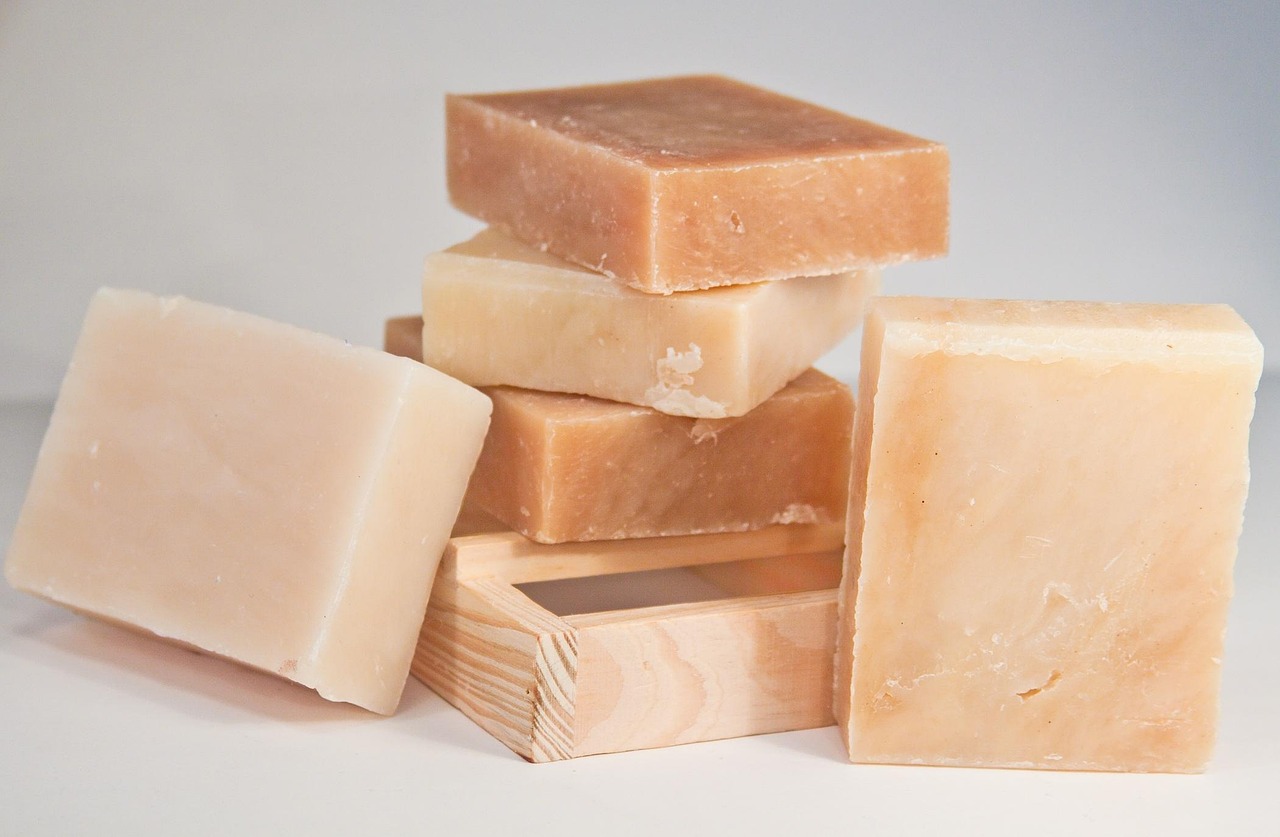
There are two main ways to make soap at home: melt-and-pour and cold process. Each has its strengths. Here’s a clear comparison to help you choose the right method for you.
Melt-and-Pour Soap
You melt a ready-made soap base, customise it, and pour it into moulds.
- Pros: beginner-friendly, no lye handling, no cure time, ready to use the same day.
- Cons: less control over ingredients than making from scratch.
- Best for: beginners, kids’ activities (with supervision), and quick gifting.
Cold Process Soap
You make soap from scratch by combining oils with a lye solution.
- Pros: full control over ingredients, completely from scratch, artisan results.
- Cons: requires careful lye handling and safety gear, plus a 4–6 week cure.
- Best for: experienced makers who want full creative control.
Key Differences at a Glance
- Difficulty: melt-and-pour is easy; cold process is advanced.
- Safety: melt-and-pour avoids lye; cold process requires PPE and care.
- Time: melt-and-pour is same-day; cold process needs weeks to cure.
- Control: cold process offers the most customisation.
Which Should You Choose?
If you’re just starting, begin with melt-and-pour to build confidence. Once you’re comfortable and want full control over your recipes, move on to cold process — with proper safety precautions.
Find supplies for both methods at Pelveraterrace.shop — free delivery across India, with 7-day returns.